Mara Keller · 9 November 2026
Hochberg Monitors Tree Plantings Amid Ongoing Housing Expansion and Green Initiative Efforts
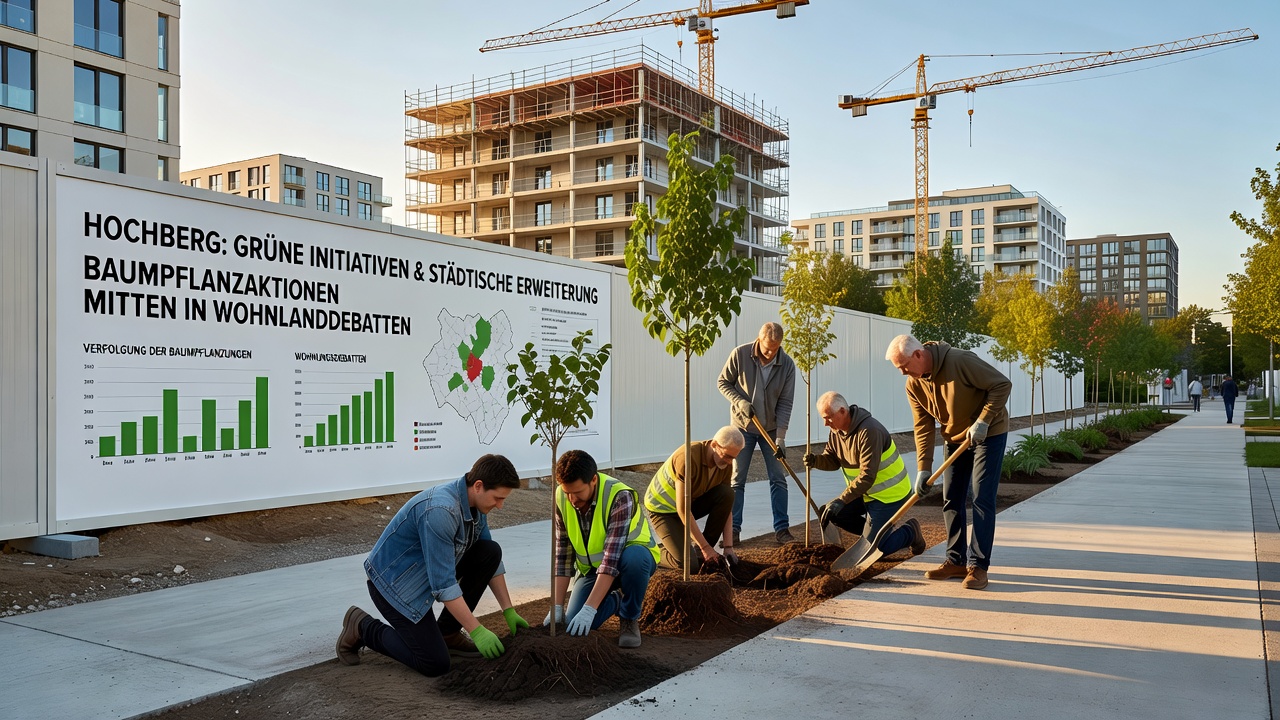
City records in Hochberg indicate steady increases in both tree plantings and housing permits over the past three years, with municipal data revealing 4,800 new trees added across districts in 2025 while building approvals rose by 12 percent in the same period. Observers note that these parallel trends have prompted local authorities to refine tracking methods that connect green coverage metrics directly to development zones.
Tracking Systems in Place
Researchers at the Hochberg Urban Planning Office maintain a digital inventory that logs each tree species, location coordinates, and survival rates, and this database now integrates with housing project timelines to flag areas where plantings fall short of established targets. Data from 2024 shows 92 percent survival for saplings in established neighborhoods yet only 78 percent in zones under active construction, prompting adjustments in planting schedules that align with construction pauses.
European Environment Agency reports on urban forestry emphasize similar monitoring approaches across member cities, and Hochberg has adopted comparable indicators that measure canopy coverage per hectare against new residential density figures. Those who've studied these intersections point out that combining satellite imagery with ground surveys provides clearer pictures of how expansion affects overall green infrastructure.
Housing Debates and Tree Preservation
Public forums throughout 2025 highlighted tensions between residents advocating for affordable units and groups focused on preserving mature tree lines along proposed development corridors. Meeting minutes from the Hochberg City Council document repeated calls for mandatory tree replacement ratios of three to one when removals occur during site preparation. Figures from the local housing authority reveal that 620 new units received permits last year, with conditions attached requiring 1,850 additional plantings on adjacent public land.
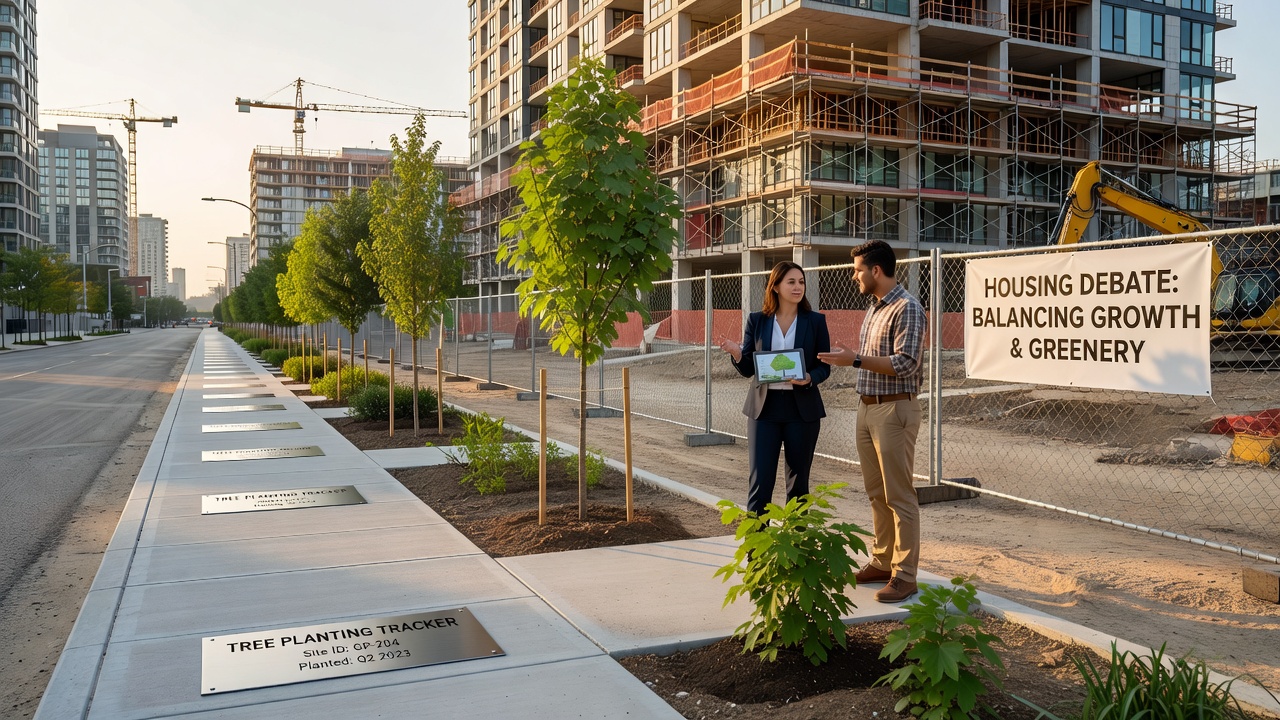
Yet planners continue to adjust boundaries so that certain older groves remain intact even as density increases nearby. Studies from the University of Stuttgart on mid-sized German cities demonstrate that such compromises can maintain biodiversity levels when paired with species diversification plans that favor native varieties over ornamental imports.
November 2026 Milestones
By November 2026 officials expect to publish teh first consolidated report that overlays five years of planting data with housing growth statistics, and preliminary summaries already circulated among departments show canopy gains of 3.2 percent citywide despite a 19 percent rise in built-up area. These projections incorporate seasonal planting windows and maintenance budgets allocated through 2027, while accounting for weather variability recorded in prior cycles.
Community groups have requested expanded public dashboards that display real-time updates on both metrics, and city staff have begun testing prototype interfaces that allow residents to submit observations on tree health near their properties. Such tools build on models used in Canadian municipalities where similar housing pressures intersect with reforestation targets.
Future Outlook
Long-term projections from the Hochberg sustainability office suggest that sustained annual plantings of 2,000 trees combined with stricter development guidelines could stabilize green coverage ratios even under continued population growth. Coordination between housing and environmental divisions has already produced joint permitting checklists that require pre-construction tree audits, and these procedures are scheduled for formal review in early 2027. Observers note that ongoing data collection will determine whether current strategies keep pace with expansion demands without sacrificing established green assets.